Energy Saving Ideas Circuit Diagram A system comprising an ambient light sensor, microcontroller, power supply module, dimming controller, and lamp was developed. system that contributes to energy savings through the use of LED light sensors are devices that use light to detect motion, heat, or other environmental changes. They are commonly used in a variety of applications, including security, automation, and energy efficiency. By adding sensors to your lighting project you can further increase your energy savings by 30 to 60%. Types of LED Light Sensors The Estimating energy savings resulting from installation of more-efficient light fixtures and lighting systems is fairly straightforward, being based on the difference in wattage. however, can be challenging, as actual savings will depend on application characteristics such as occupant behavior, building design, site orientation, availability

An Applications Guide for Federal Facility Managers Lighting use constitutes about 20% of the total energy consumption in commercial buildings. Adding lighting controls is a simple retrofit option than can save on energy costs while help-ing to meet agency and federal energy savings mandates. Some energy codes and federal standards require the controls and light sources energy code compliance devices wiring control zoning commissioning detailed descriptions and general performance specifications for programmable scheduling controls, light sensors, occupancy sensors and radio-frequency wireless controls lighting plan sketches providing application examples.
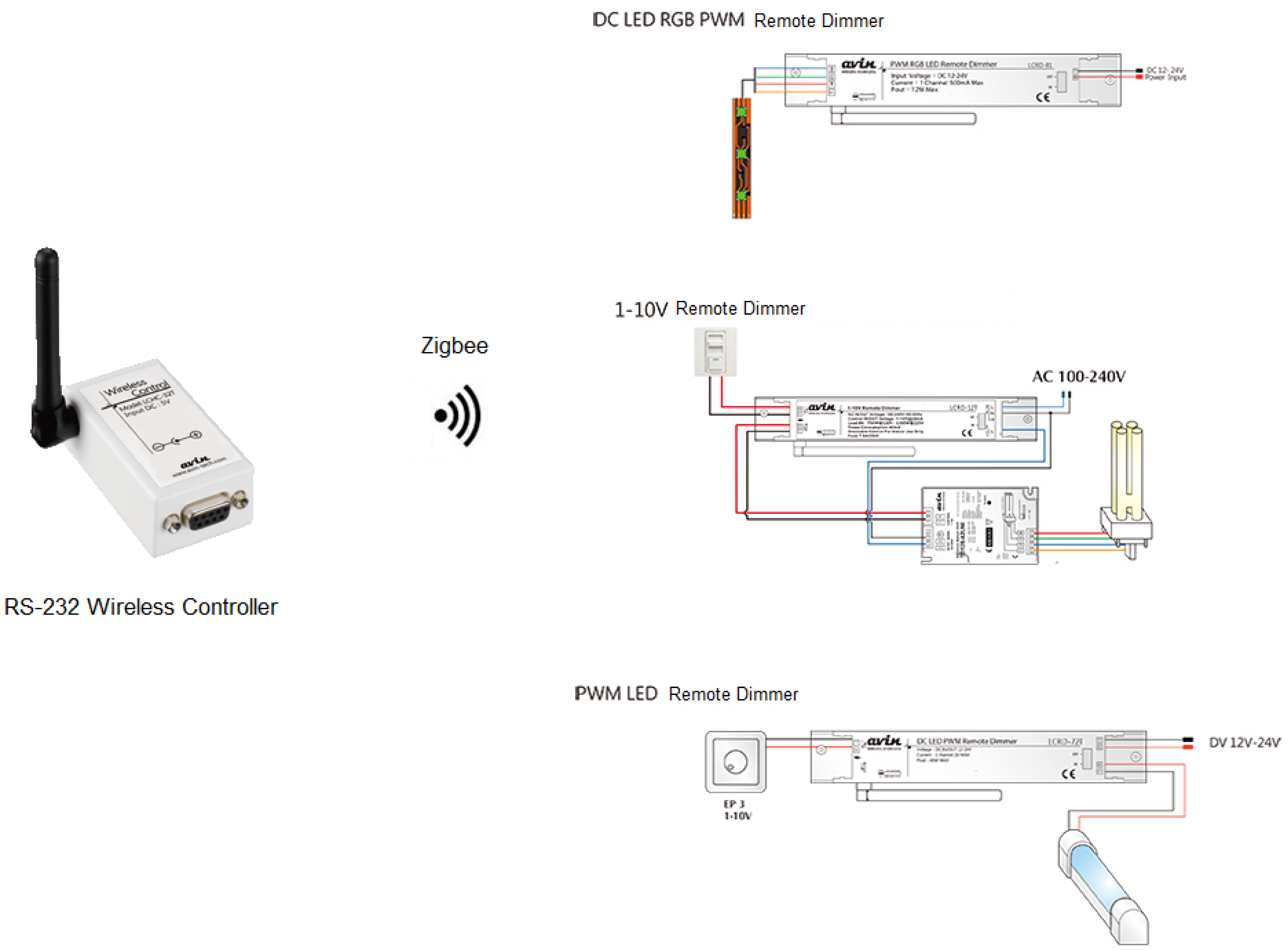
LED Light Sensors: The Smarter Way to Save Money & Energy Circuit Diagram
With the increasing demand for energy efficiency, smart automation, and intelligent devices, the applications of light sensors are expected to grow even further in the future. By harnessing the power of light sensors, we can create smarter, more responsive, and more efficient systems that enhance our lives and contribute to a more sustainable These sensor lighting solutions use sensors to automatically control light intensity based on occupancy and ambient light levels, significantly reducing electricity waste. By ensuring lights are only on when needed, sensor lighting minimizes energy consumption, making it an ideal solution for both residential and commercial spaces Occupancy sensors must be located where they will detect occupants or occupant activity in all parts of the room. Ultrasonic sensors detect sound, while infrared sensors detect heat and motion. In addition to controlling ambient lighting in a room, they are useful for task lighting applications such as over kitchen counters.
